After meeting on a dating app in 2008, Fran and Paul hit it off. They lived a three-hour drive from each other but made the distance work, and eventually moved to Inverloch together where they set up a home and welcomed their daughter. A devoted wife and mother, Fran was known for her kindness and generosity. She loved fashion and home decorating, took pride in her appearance, and brought warmth and thoughtfulness to those around her.
Five years later, their world was turned upside down when Fran was diagnosed with breast cancer, eventually going through surgery, radiation therapy and chemotherapy. In 2023 she had a recurrence and was diagnosed with advanced breast cancer.
They “threw everything at it”, he says, travelling to Melbourne at least once a week for different treatment options and clinical trials. Paul says that throughout the whole process Fran showed incredible strength, never complaining or giving up hope.
It’s been a year since Fran passed away, but these days Paul still finds himself grappling with the impact of caring for someone with advanced cancer.
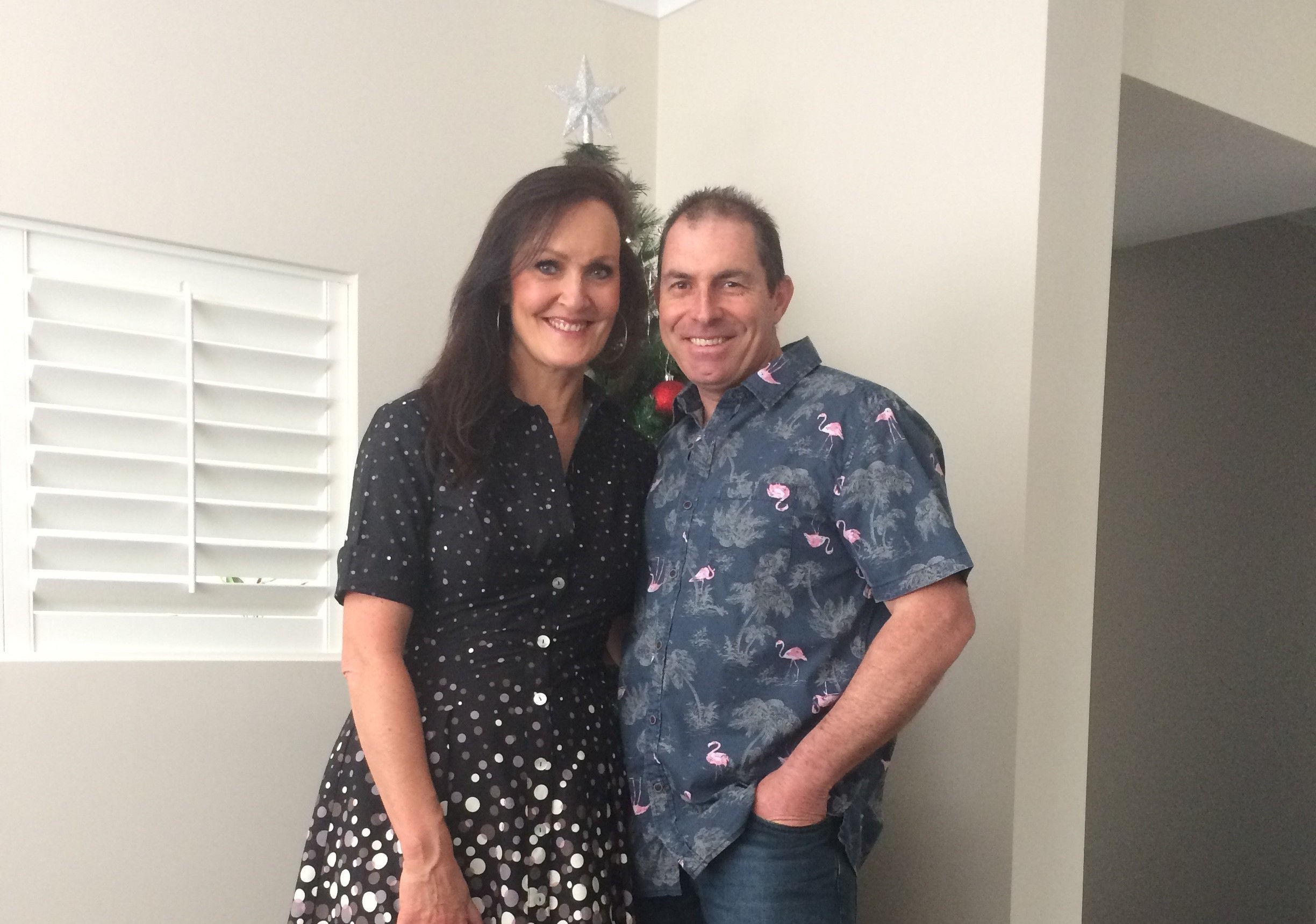 Fran and Paul
Caring is more than a full-time job
Despite playing an essential role within the cancer care system, little attention is typically given to their support needs. And we know that rather than being an individual issue, barriers to support for carers are systemic problem faced by many.
Paul had to retire from his job when Fran started to get sicker; taking on the day-to-day tasks of caring for his wife. This would include driving her to appointments, administering medication, and helping her with personal care, as well as the tasks involved in running the household and parenting their daughter. In the last six months, Fran was in and out of hospital, spending as much time with Paul and their daughter at home as possible.
“It was incredibly difficult… even with the help of the palliative care nurses who were fantastic,” Paul says. “I had to pretty much care for her 24/7.”
"Fran used to call me her 'Angel' while I was caring for her," Paul says. "But I think she was the real angel. She was strong, stoic, gentle and kind. No matter what cancer threw at her, she never surrendered and never gave up."
Looking after yourself is not selfish
For Paul, the emotional impact of caring was heavy. Though he wouldn’t change anything about how he kept going for Fran and their daughter, he remembers feeling exhausted, frustrated, helpless and burnt out throughout this time.
“It was very up and down, and challenging and draining mentally just as much as it was physically at times,” Paul says. “I was just trying to get through the day sometimes.”
Paul prioritised finding moments to exercise at the gym, walk the dog or even do the grocery shopping as a way to step away and recharge. He knew that to be able to take care of his family, he needed to first look after himself.
“You’re so focussed on the person that you’re caring for, you tend to forget about yourself,” he says. “Taking time out, even if it’s just half an hour, makes the world of difference.”
The value of accepting support
Though Paul carried most of the caring responsibilities himself, he says the support services they did eventually access were transformative.
“Once I got the palliative care team on board it was a massive relief,” he says. “We sort of had a bit of direction and knew that we had help if we needed it.”
Fran initially resisted palliative care, worried it’d mark “the end”, but they eventually agreed that it provided essential emotional and practical support for both of them.
“Palliative care is not all about end of life,” Paul told her. “There’s a lot of other aspects to it that can help me and help you and help us.”
Paul encourages other carers to reach out for help, whether that’s through family and friends, the hospital care team, or through services such as Cancer Council’s 13 11 20 support line.
And as a Peer Connect volunteer himself, Paul is also a strong advocate for speaking to someone who’s been there before – particularly for those living in regional and rural areas, who may not have access to local support groups.
“Knowing that someone is out there that's in a similar situation or understands what you're dealing with is a major thing. You don't feel so alone and so isolated.”
Contact cancer support
When you call the Cancer Council support line on 13 11 20, you’ll talk to a cancer health professional and get the support you need.
It’s free, confidential, and available for anyone affected by cancer who has a question – those diagnosed as well as their family, friends, and carers.
Learn more